
For decades, China was the default destination for global manufacturing outsourcing. However, the evolution of costs, geopolitical tensions, and, above all, the urgent need for more resilient supply chains have shifted the focus toward Mexico.
For European, North American, and global companies aiming to serve the United States and Canada markets, Nearshoring in Mexico is no longer just an alternative: it is a strategic imperative that ensures operational resilience and greater market agility. This detailed analysis highlights the top Mexico manufacturing advantages over the traditional model in China.
Let’s analyze the crucial points that define the advantage of Nearshoring in Mexico compared to traditional production in China.
1. Unbeatable logistics proximity and transit time (Nearshoring supply chain)
The most evident differentiating factor is geography, which directly impacts the speed and risk of the supply chain, regardless of your company’s origin. Mexico vs China:
| Factor | Mexico | China |
| Transit Time to USA/Canada | Less than a day by land. | Minimum two days by air, weeks by sea. |
| Time Zones | Similar time zones to the US and Canada, enabling direct management. | Significantly different time zones, complicating real-time operational management between Asia and the West. |
Proximity translates into a drastic reduction in delivery times (Time to Market). Having goods just a few hours by truck or train from the US and Canada eliminates reliance on long and costly trans-oceanic voyages, which are subject to port disruptions, congestion, and unexpected increases in transport costs. This not only reduces the Total Cost of Ownership (TCO) but also allows companies to eliminate the need for excessive safety stocks (buffer stock), freeing up working capital and enabling a rapid and flexible response to North American consumer demand fluctuations. Management in similar time zones (within the same workday) also facilitates collaboration between Mexican production teams and headquarters (whether in Europe or North America). Mexico’s strategic location is key to securing a resilient supply chain.
2. Stability and predictability of production costs (Mexico vs China cost analysis)
Although Chinese wages are rapidly increasing and closing the gap with Mexico, Mexico maintains a highly competitive and, above all, predictable labor cost over time.
- Hourly Wages: mexican manufacturing wages are stable and competitive relative to the US dollar, offering a lasting advantage as Asian costs continue their upward trajectory.
- Currency: the historical depreciation and trend of the Mexican Peso against the Dollar keep operating costs in USD constant and reliable, offering greater stability and certainty in long-term quotes. This contrasts with Chinese currency policies, whose government management adds a layer of financial uncertainty for foreign investors.
- Tariffs and Trade Agreements: this is a crucial point of differentiation for those selling in North America. Thanks to free trade agreements (such as the USMCA, involving the United States, Mexico, and Canada, in addition to the extensive network of agreements with Europe and 48 other nations), companies producing in Mexico benefit from privileged and, in most cases, duty-free access to North American markets. This is a huge advantage compared to Chinese goods, which are subject to significant punitive tariffs (such as the 25% tariffs imposed in 2018), which erode profit margins and increase the final price for the consumer. The absence of duties makes Mexico the ideal base for large-scale export. This is a primary Nearshoring cost benefit.
3. Intellectual property (IP) protection (legal security for foreign investment)
For high-tech industries or those with critical intellectual property (patents, designs, trade secrets), legal protection is an absolute priority for global investors.
Mexico has a solid legal and regulatory framework for the protection of Intellectual Property, aligned with international treaties and North American standards (as stipulated in the USMCA). This provides foreign investors with an indispensable level of security and trust. Conversely, counterfeiting, reverse engineering, and IP theft remain common and widespread issues in China. This systemic risk poses a significant and long-term threat to corporate innovation and competitiveness. IP protection in Mexico is a key strategic factor.
4. Quality management and problem resolution (operational agility)
When quality problems, production defects, or deviations from standards arise, distance plays a crucial role in reaction speed.
- Mexico: geographic proximity allows for almost immediate intervention. It is feasible and quick to send inspection teams from headquarters (whether in Europe or North America), rework defective products (eliminating trans-oceanic shipping costs for returns), or immediately resolve issues on-site. This drastically reduces downtime and ensures high, constant quality standards.
- China: distance enormously complicates the management of unforeseen events. A quality issue requires weeks to be diagnosed, resolved, and shipped again, increasing logistical costs, contractual penalties, and reputation damage.
5. Operational Stability: the exclusive asset of Yucatán (safest manufacturing location)
Choosing the right region in Mexico is essential to fully capitalize on the advantages of Nearshoring.
Central Business Park in Mérida, Yucatán, combines all the benefits of Nearshoring with maximum operational and social stability. Yucatán is the safest state in Mexico (according to INEGI) and offers a stable economic and social environment, guaranteeing superior investment protection:
- Assured Operational Continuity: zero unplanned interruptions due to external risks or social instability.
- Lower Insurance Costs and Low Risk: the high level of security directly translates into lower insurance premiums for goods, facilities, and transported cargo, offering tangible savings.
- Better Quality of Life: perceived and real security, combined with a growing cultural and infrastructural environment, makes the region much easier to attract and retain qualified personnel (both local and expatriate), ensuring the long-term stability of leadership and key competencies. Yucatán’s safety rating is a major differentiator in the Mexican manufacturing landscape.
The shift from China to Mexico is not just a change of address; it is an update to the global corporate strategy. For international companies, Nearshoring in excellent industrial parks like Central Business Park in Mérida offers an optimized TCO, IP protection, preferential access to key markets thanks to the USMCA, and, above all, the logistical resilience and security needed to thrive in today’s global manufacturing landscape. Investing in Yucatán means investing in the predictability and security of your production future.

Yucatán: the Operational Security Hub in Mexico
Yucatán stands out as the safest and most stable region in Mexico, offering a unique environment where public safety directly translates into operational efficiency, investment pr

Industrial Real Estate in Mexico: should you buy land or lease a building?
Deciding on the right footprint is the first major hurdle for any company expanding into North America. In 2026, Mexico’s industrial market remains the global epicenter for nears
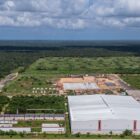
How to open a plant in Mexico: operational guide
Opening a plant in Mexico is a comprehensive industrial project, not a simple real estate decision. Those searching for “how to open a plant in Mexico” usually have two goals:
Yucatán: the Operational Security Hub in Mexico
Yucatán stands out as the safest and most stable region in Mexico, offering a unique environment where public safety directly translates into operational efficiency, investment pr
Industrial Real Estate in Mexico: should you buy land or lease a building?
Deciding on the right footprint is the first major hurdle for any company expanding into North America. In 2026, Mexico’s industrial market remains the global epicenter for nears
Yucatán: the Operational Security Hub in Mexico
Yucatán stands out as the safest and most stable region in Mexico, offering a unique environment where public safety directly translates into operational efficiency, investment pr
Industrial Real Estate in Mexico: should you buy land or lease a building?
Deciding on the right footprint is the first major hurdle for any company expanding into North America. In 2026, Mexico’s industrial market remains the global epicenter for nears
